Noticeable changes you shouldn’t ignore
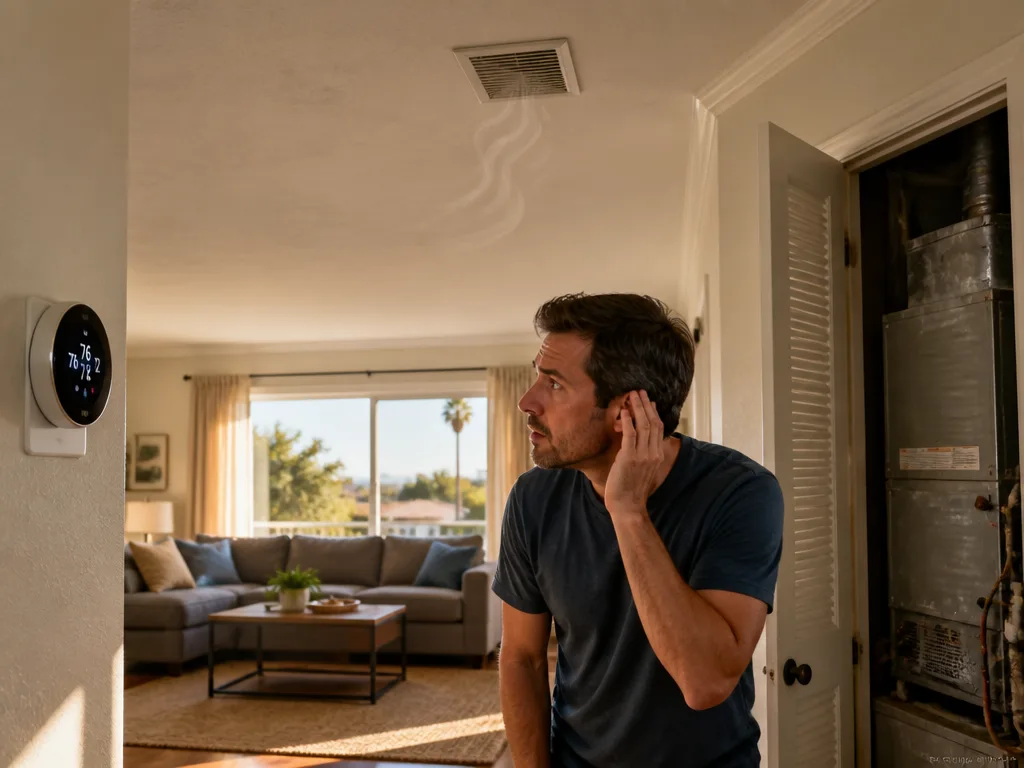
Across California, a room that suddenly won’t cool evenly or a heat pump that runs constantly can point to issues beyond a simple nuisance. Our crews in every California metro see this pattern often: one zone is uncomfortable while another feels fine, or the system runs longer than it should without delivering the expected comfort.
Keep an eye out for rising energy use without a corresponding increase in comfort. If your monthly bill climbs while your home temperature stays stubbornly off, that’s a sign something inside the system is working harder than it should.
Common indicators our HVAC technicians notice first
First, listen for unusual sounds. A rattling, grinding, or squealing noise can mean loose parts, a failing motor, or a belt issue. In California homes with older equipment, these sounds often precede more serious failures. Second, check the airflow. Weak or inconsistent airflow usually points to a duct or blower issue that needs professional attention.
Third, pay attention to odors. A musty or burnt smell when the system starts up can signal mold growth in the distribution path or an electrical component nearing failure. These situations don’t improve on their own and merit a technician’s inspection.
What to do if you notice warning signs
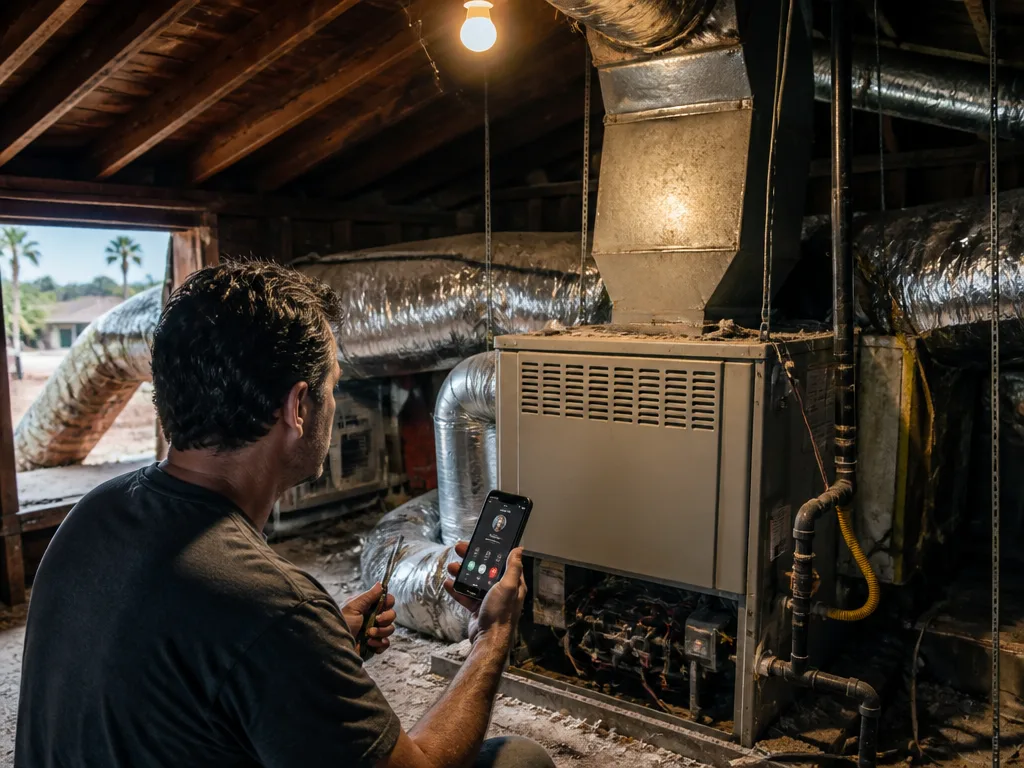
Document what you’re seeing and hearing, including the date you first noticed it and any changes in your comfort. Call California HVAC Pros for a same-week evaluation. Our team can quickly determine whether a simple maintenance action will restore performance or if a part replacement is needed.
Early action saves money and prevents more extensive work later. We’ll walk you through findings in plain terms and outline practical options with no pressure.
What a technician checks during a diagnosis
During a typical visit, our HVAC technician will inspect the outdoor unit and interior components for wear, listen to the system’s operation, and verify refrigerant levels. We also check electrical connections and thermostat settings to ensure everything is communicating correctly. In California, climate can influence what’s considered normal cycling, so a technician will compare current operation to the seasonal norm for your area.
After the assessment, you’ll receive a clear, written plan with recommended next steps. If a part replacement is needed, we’ll discuss options based on efficiency, costs, and how long you’ll stay comfortable while the upgrade is installed.